


Not your traditional outpatient physical therapy experience! Here at Always In Motion Physical Therapy & Wellness, we come to you! We bring the expertise and equipment to treat you in the comfort of your home! Our skilled physical therapist will create an individualized treatment plan focused on you and your goals.


We are happy to serve the Chapel Hill, Pittsboro, Apex, Cary, Morrisville, Durham and Raleigh areas.

Rebecca Eichner

Doctor of Physical Therapy

Ellie Rubin Guidice

Doctor of Physical Therapy


Physical Therapy

Physical Therapy

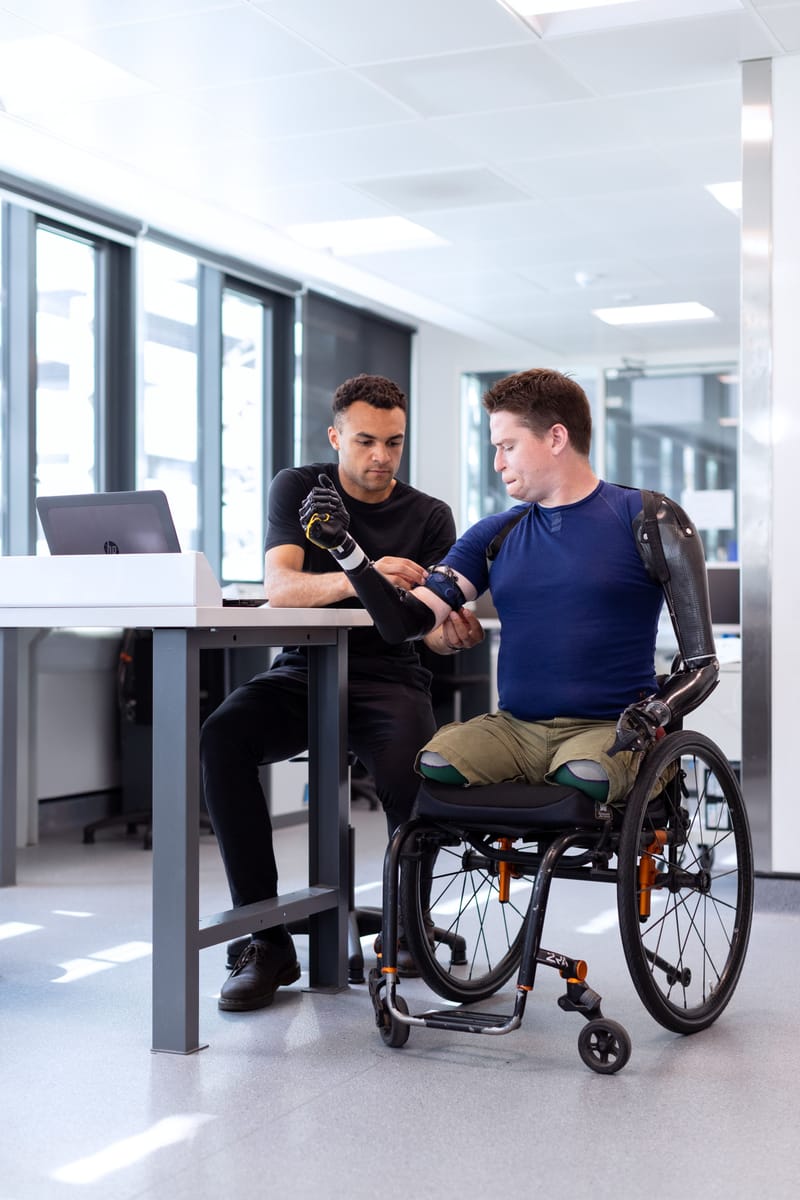
Physical Therapists are movement experts. Physical therapists improve a patient's strength, mobility, flexibility, balance and endurance through therapeutic exercises, specialized hands-on techniques, vestibular training and safety training.

Wellness

Wellness

A qualified physical therapist will design, modify or progress a current exercise program personalized for your needs and goals. -Massage -Dry Needling

Learn More


 "I was a patient of Rebecca's and would still be if we had not moved away. She helped me move more comfortably despite degenerative disc disease and the stress of a husband seriously ill with a stroke. Her expertise and listening skills were of great benefit to me." M.S.D. 

 "Rebecca is a top-notch, physical therapist, professional and personable. She is a great listener, works with you to understand the problem, and sets a clear pathway for healing. I highly recommend her for anyone looking for relief." C.M. 

 "I have been a patient of Rebecca Eichner's for 11 visits in April and May of this year for shoulder and knee pain. I have suffered from arthritis for a long while due to age related physical problems. I had postponed seeing a physical therapist as a previous experience at a different physical therapist office had not brought relief. I found Rebecca not only to be highly competent, but also caring and patient, and she also encouraged me to continue my progress. Her work included very helpful massages of my limbs and the teaching of exercises to improve my condition. She has truly helped improve my pain and helped me gain much better use of my arms and legs. She gave me ample instructions and tools to help me work on exercises which led to reduction in pain and better movement. Any patient would benefit greatly from her care and expertise. I certainly benefited greatly." H.N. 

 "Thinking about how much you have helped me in my journey of getting back on my (functioning) feet again! I'm beginning to see, slowly but surely, that I'm actually getting better, yahoo! I knew you would be truly happy that I am finally seeing progress! You have played such a HUGE role in that accomplishment and I just wanted to let you know what an important piece of that you have been! Thank you." L.M.T 

 "I have achieved major movement goals using Rebecca's services as a physical therapist in my home. She has been unfailingly professional, knowledgeable, and efficient while encouraging me to increase my range of motion and building up my physical stamina. I would highly recommend her to anyone needing physical therapy services in the comfort of their own home." 

Rob B.
     

Insurance

Insurance

Always In Motion Physical Therapy & Wellness is in-network with: Medicare B

Learn More
Cash

Cash

Cash Based Services: At the time of service, Always In Motion Physical Therapy & Wellness accepts: All major credit cards Cash Check HSA/FSA

Learn More

  • Chapel Hill, NC, United States
  • Leave us a message and we will get back to you as soon as we can!

We at Always In Motion Physical Therapy & Wellness believe that taking care of your health should be simple and accessible. We also believe you and your healthcare providers should be the only ones involved in your health care decisions, not your insurance company. Over the years, insurance companies have placed more and more restrictions on all aspects of physical therapy care, basing their decisions on saving money rather than what is right for the patient. For this reason, we have chosen to remain out-of-network (OON).
No. In the state of North Carolina, patients have total, unrestricted access to a physical therapist, also known as "direct-access." This allows you to see a physical therapist without a physician referral or prescription.

However, if you are a Medicare recipient, we will be required to have one of your physicians sign your therapy plan of care (POC) in order to bill Medicare. 

If you’re raising children while also caring for aging parents, you’re living in a season that few people truly understand until they’re in it.

Your days are filled with school drop-offs, practices, meals, and homework — while your phone also holds reminders for doctor appointments, medication refills, and “just checking in” calls to Mom or Dad. Somewhere in the middle of it all, you’re trying to hold everything together.

This is the sandwich generation — loving two generations at once, often while quietly putting yourself last.

Many of the families I work with tell me the same thing “I just want my parent to stay safe and independent at home… and I don’t know how long I can keep doing this on my own.”

That’s where mobile outpatient physical therapy can truly help.


Independence Isn’t Just Physical — It’s Emotional

For aging parents, independence means dignity. It means staying in the home they love. It means not feeling like a burden on their children.

For caregivers, independence means peace of mind.

When balance declines or walking becomes unsteady, even simple daily tasks can feel risky. That’s when the worry starts:

  • What if they fall while I’m not there?
  • Is it time for more help?
  • Am I waiting too long to step in?

In-home physical therapy focuses on keeping aging parents safe, mobile, and confident — often allowing them to age in place longer and reducing emergency situations.


Why Mobile Outpatient Physical Therapy Makes Sense

Getting an aging parent to appointments can feel like a full-time job. Coordinating schedules, transportation, mobility concerns — it’s a lot.

With physical therapy at home, the care comes to them.

Mobile outpatient physical therapy allows treatment to happen in the environment where your parent actually lives. This means therapy is practical, relevant, and immediately applicable to daily life — from getting out of bed to safely navigating the bathroom.

And for caregivers? No driving. No waiting rooms. No added stress.


How Physical Therapy Helps Aging Parents Stay Independent

Building Strength, Balance, and Confidence

As we age, muscle strength and balance naturally decline. Physical therapy for seniors focuses on:

  • Fall prevention for older adults
  • Improving walking and endurance
  • Safe transfers (bed, chair, toilet, car)
  • Stair safety and confidence

Often, even small improvements make a huge difference in safety and independence.


Home Safety Assessments: Seeing the Risks You Can’t Always See

One of the biggest benefits of in-home physical therapy is the home safety assessment.

A physical therapist evaluates the home through a safety lens — identifying fall risks that family members often overlook simply because they’ve grown used to the environment.

Common recommendations may include:

  • Removing throw rugs or clutter
  • Improving lighting in hallways and stairs
  • Adjusting furniture height
  • Bathroom safety modifications
  • Rearranging commonly used items

These changes can dramatically reduce fall risk and caregiver anxiety.


Assistive Equipment That Supports Independence

Using assistive equipment doesn’t mean “giving up.” It means choosing safety and independence.

Physical therapists help recommend and fit the right tools at the right time, such as:

  • Canes or walkers
  • Shower chairs or tub benches
  • Grab bars and raised toilet seats
  • Bed mobility aids

When equipment is introduced correctly, it often restores confidence — not takes it away.


Supporting the Caregiver Matters, Too

Caregivers are often helping with transfers and mobility without any training, leading to back pain, injuries, and burnout.

Mobile outpatient physical therapy includes education for caregivers on:

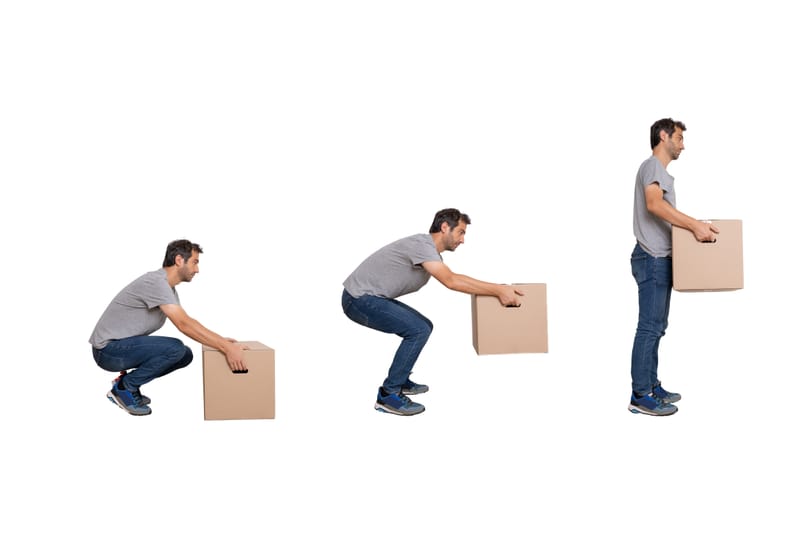
  • Safe lifting and transfers
  • Proper body mechanics
  • Knowing when to assist and when to step back

Protecting you is just as important as helping your parent.


Don’t Wait for a Crisis

Many families don’t seek physical therapy until after a fall or hospitalization. But physical therapy is most effective when it’s proactive.

Starting early can:

  • Reduce fall risk
  • Slow functional decline
  • Support aging in place
  • Delay the need for assisted living or higher levels of care

Most importantly, it creates a plan — instead of reacting to emergencies.


You’re Doing the Best You Can

If you’re part of the sandwich generation, please hear this: You are doing a lot. And you don’t have to do it alone.

Please reach out to Always In Motion Physical Therapy & Wellness and find out how we can help you and your loved one. 919-533-6484


08Jun

As we age or recover from injury or surgery, staying mobile is key to maintaining independence and quality of life. But sometimes, a little extra support is needed. That’s where mobility aids like canes and walkers come in.

Choosing between a walker and a cane isn’t always straightforward — the best option depends on your specific needs, balance, and strength. Let’s break it down:


 When a Cane Might Be the Right Choice

A cane provides minimal support and is ideal for those who:

  • Have mild balance issues
  • Experience slight weakness in one leg or side of the body
  • Need a little help getting around the house or community
  • Are recovering from a minor surgery or injury

Types of Canes:

  • Single-point cane: Standard, for light support
  • Quad cane: Wider base for more stability

 Pros: Lightweight, easy to transport, fits in tight spaces Consider: Requires good coordination and upper body strength


 When a Walker Is the Better Option

A walker offers greater stability and is ideal for individuals who:

  • Have moderate to severe balance issues
  • Are at high risk for falls
  • Need support on both sides of the body
  • Are recovering from surgery (like knee or hip replacements)

Types of Walkers:

  • Standard walker (no wheels): Maximum stability
  • Two-wheeled walker: Easier to push but still supportive
  • Rollator (four-wheeled walker): Great for those who can walk but need help with balance and endurance

 Pros: Offers strong support, some models include a seat Consider: Bulkier, harder to use on stairs, not ideal for tight spaces


 A Few Questions to Ask Before Choosing

  • Do you feel unstable when walking short distances?
  • Is your weakness on one side or both?
  • Do you tire easily or need to sit often?
  • Will you be navigating uneven ground, stairs, or tight hallways?

 Talk to a Professional First

It’s always best to speak with a physical therapist before making your choice. At Always in Motion Physical Therapy & Wellness, we’ll assess your strength, balance, and functional mobility to recommend the best option—and teach you how to use it safely.


 Need Help Choosing or Learning to Use Your Device?

We provide in-home physical therapy services, so you can safely learn how to use your cane or walker where you need it most—right in your living space.

 Contact us to schedule an appointment!   919-533-6484